Brighton, Hove and the villages we cover
From Hove Park to Ovingdean, and from the seafront to the Downs
Eleven neighbourhoods, each with its own houses and its own planning rules.
Areas
Choose your part of the city
Each page covers the houses you will find there, which conservation rules apply, and local sources worth reading before you decide.
Central BrightonTerraces, squares and converted flats, nearly all built for timber sashes, and most of them inside a conservation area.HoveRegency squares on the seafront, Victorian villas inland and Edwardian streets to the west, each with its own window.Kemp TownOne of the finest Regency estates in England, and the cottage streets behind it, almost all built for timber sashes.Preston ParkBrick villas of 1865 to 1885 with timbered gables and bay windows, inside one of the city’s largest conservation areas.FivewaysLate Victorian and Edwardian terraces on a windy hill, many with bays and with original windows patched for decades.Hove ParkDetached and semi-detached houses of the 1920s and 1930s, with rounded and square bays and plenty of freedom over materials.WithdeanMostly 1920s and 1930s houses on the hillside, outside conservation areas, where slim aluminium and flush casements both work well.TongdeanLarge detached Edwardian houses in walled gardens, from Arts and Crafts gables to grander villas with sashes.PatchamA flint village core with Article 4 protection, surrounded by 1930s estates where the choice is much more open.RottingdeanA Saxon village of flint and brick, where many houses are listed and the sea air is hard on every window.OvingdeanA small downland village of flint cottages and converted farm buildings, with an Article 4 direction over the old core.
One rule of thumb
The closer to the sea, the older the house
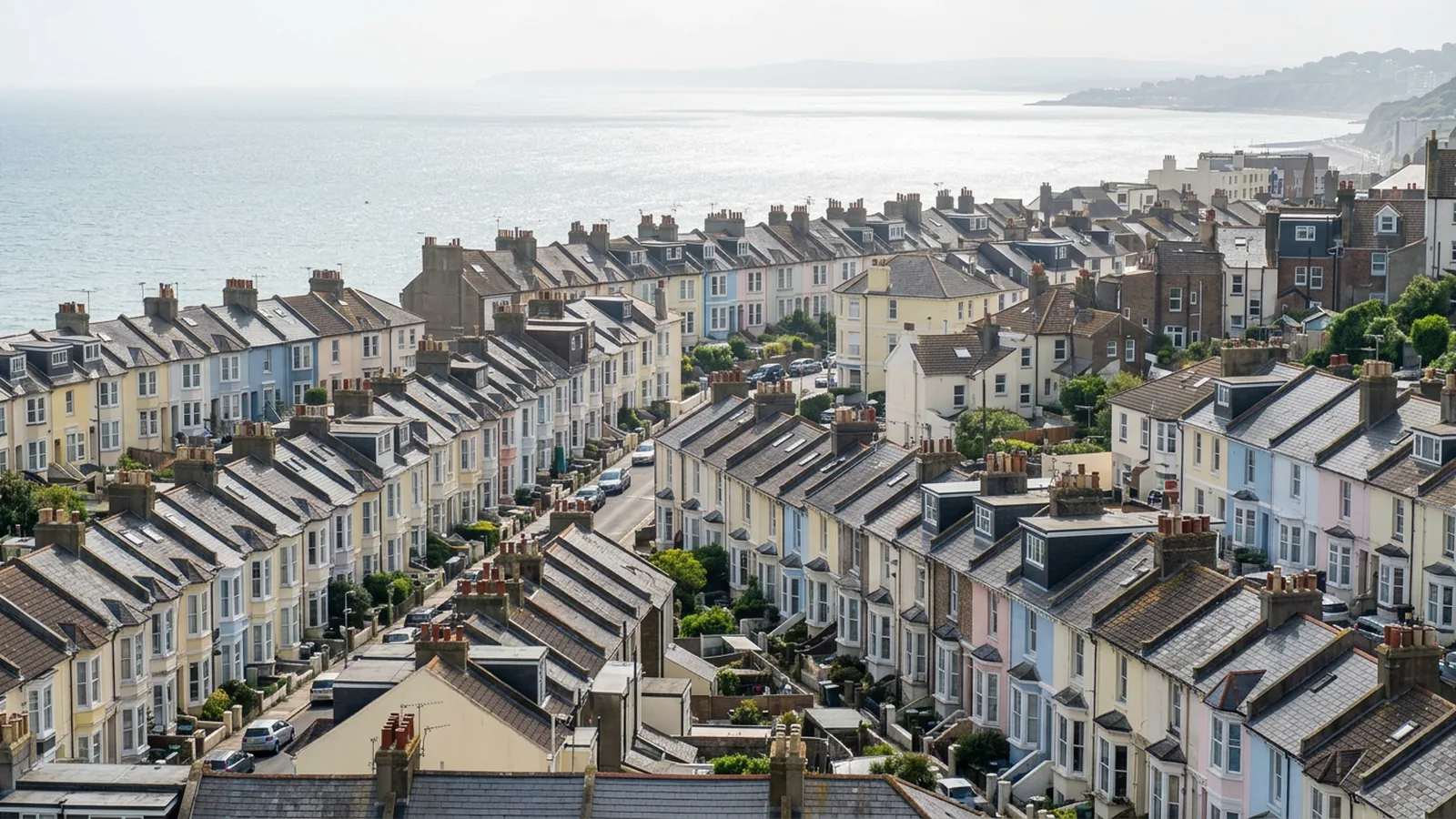
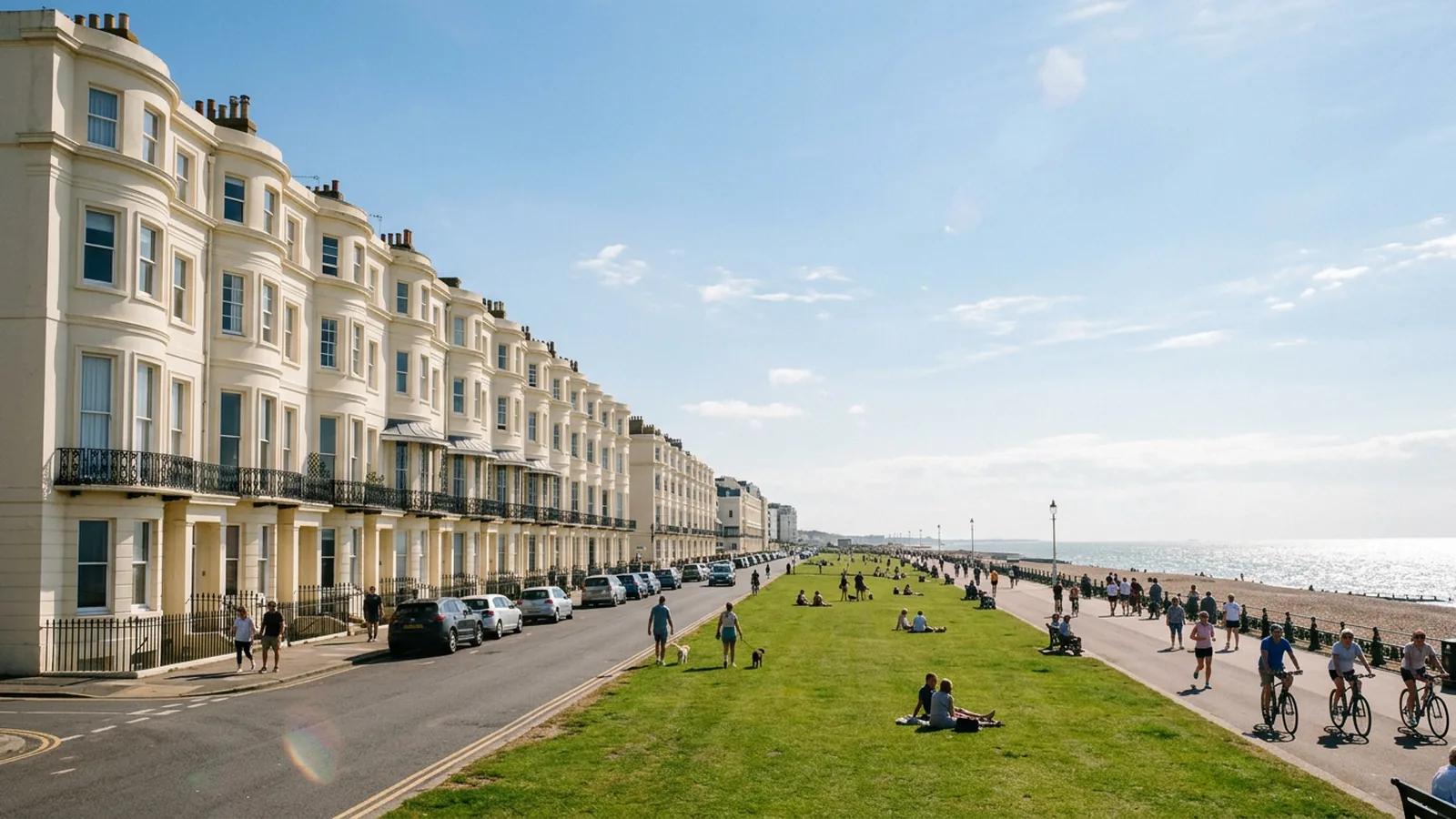
Brighton grew inland from the seafront. The Regency squares and crescents sit on the coast, the Victorian and Edwardian streets climb the hills behind them, and the interwar suburbs reach up towards the Downs. The flint villages of Patcham, Rottingdean and Ovingdean are older than all of them.
That pattern is a good first guess at which windows suit your house, and at whether a conservation area is involved.