Period-correct windows for protected streets
Conservation areas and listed buildings across Brighton and Hove
Help with the planning position first, then windows that match what the street was built with.
Four situations, four sets of rules
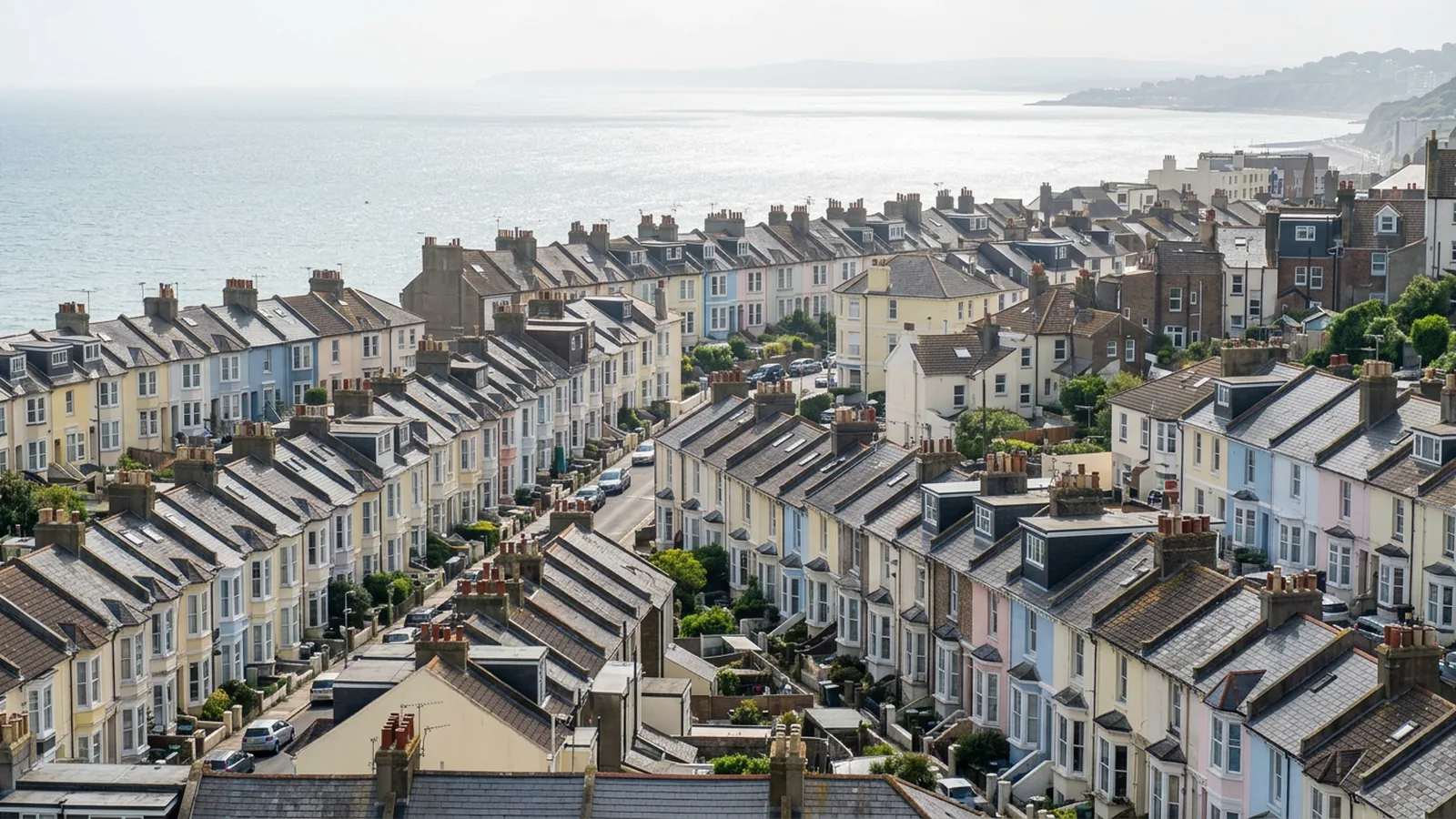
Brighton and Hove has 34 conservation areas and thousands of listed buildings. Which rules apply to your windows depends on the building and where it stands.
The council’s list of Article 4 directions names the areas where replacement windows and doors on a house need planning permission. Most directions cover the sides of buildings facing a street, footpath or open space.
A house outside a conservation area
New windows of a similar appearance are normally permitted development. You can change material, within reason.
A house on an Article 4 street
Kemp Town, Brunswick, Regency Square, North Laine, Preston Park, the Avenues and the old villages of Patcham, Rottingdean and Ovingdean are among the areas with directions. Changing the look of street-facing windows needs planning permission.
A flat or maisonette
Flats have no permitted development rights for windows, so changing their appearance usually needs permission wherever they are. A window identical to the one it replaces may not need it. The freeholder has to agree as well.
A listed building
Listed building consent is needed for replacement windows, even like-for-like. Repair, or secondary glazing on the inside, is often the route the council prefers.
Windows the council will recognise
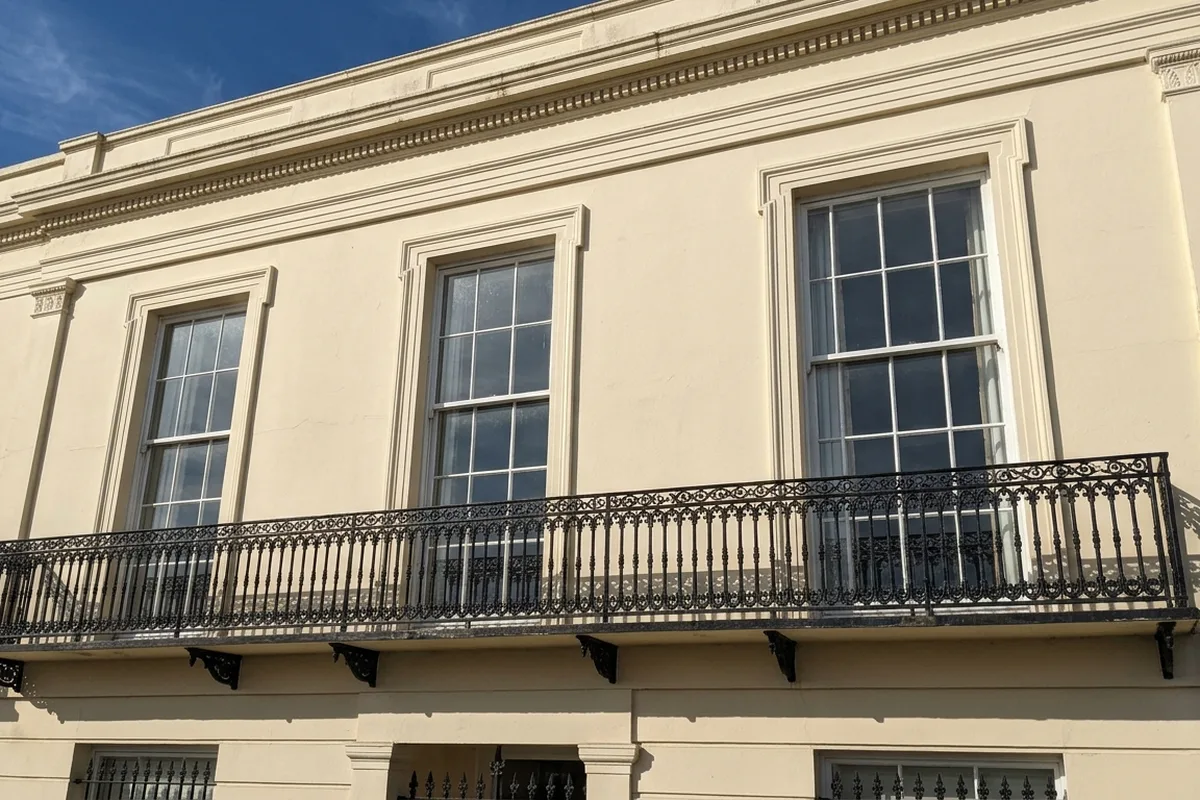
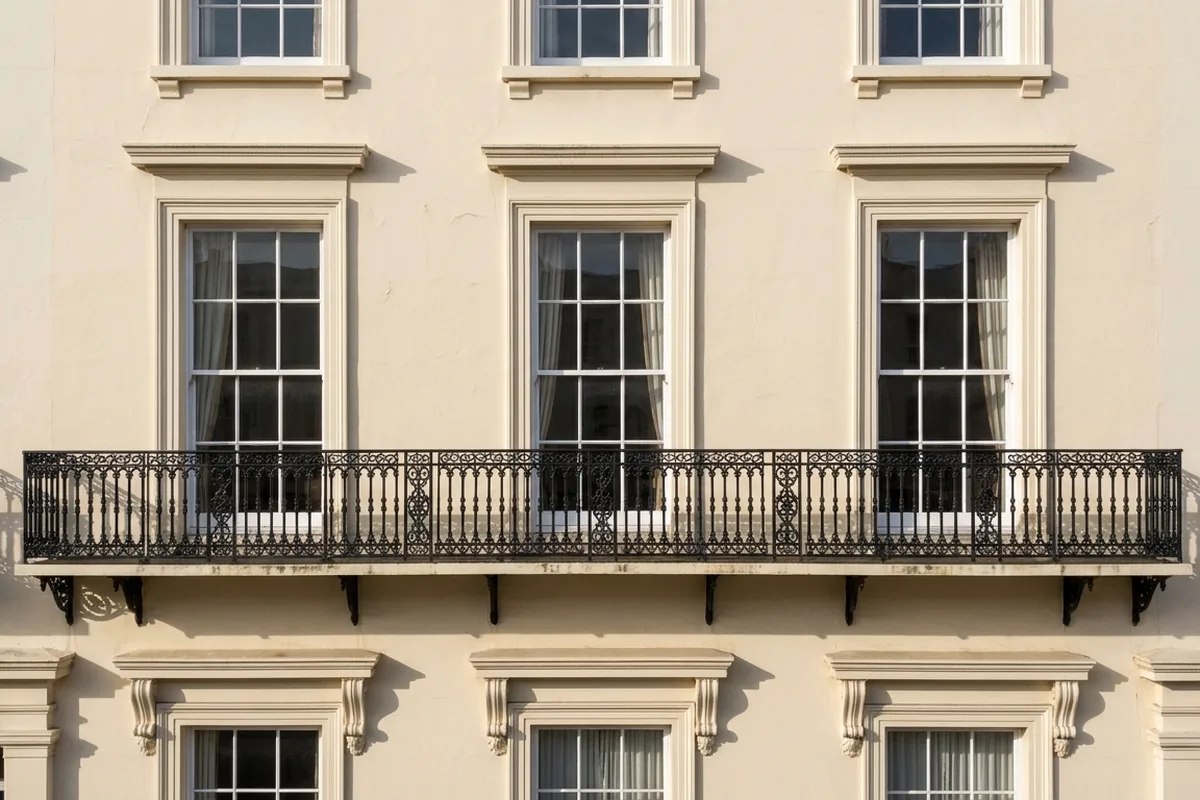
On most Article 4 streets the aim is a window that matches the original: painted timber sashes with the right pane pattern, horns where the originals had them, and slim double-glazed units with true or applied bars. Depending on the building, there can be rules on the glass you are allowed and on the exact layout of the glazing bars: a listed building, a conservation area and an Article 4 direction each bring their own. It is best to check with the council first, and we can help you through that process.
A timber box sash is from £2,650 installed. On a listed building where new windows are refused, secondary glazing fitted inside the old sash typically costs £450 to £1,200 a window as an indicative market range.
Every job is priced on its own: the figure depends on the sizes of your windows, how many there are and where they sit, the access, and the materials, colours and hardware you pick. A free home visit gives you the exact price for yours.