Windows that suit Rottingdean’s old houses
The village around the green, the pond and the High Street
A Saxon village of flint and brick, where many houses are listed and the sea air is hard on every window.
Homes in Rottingdean
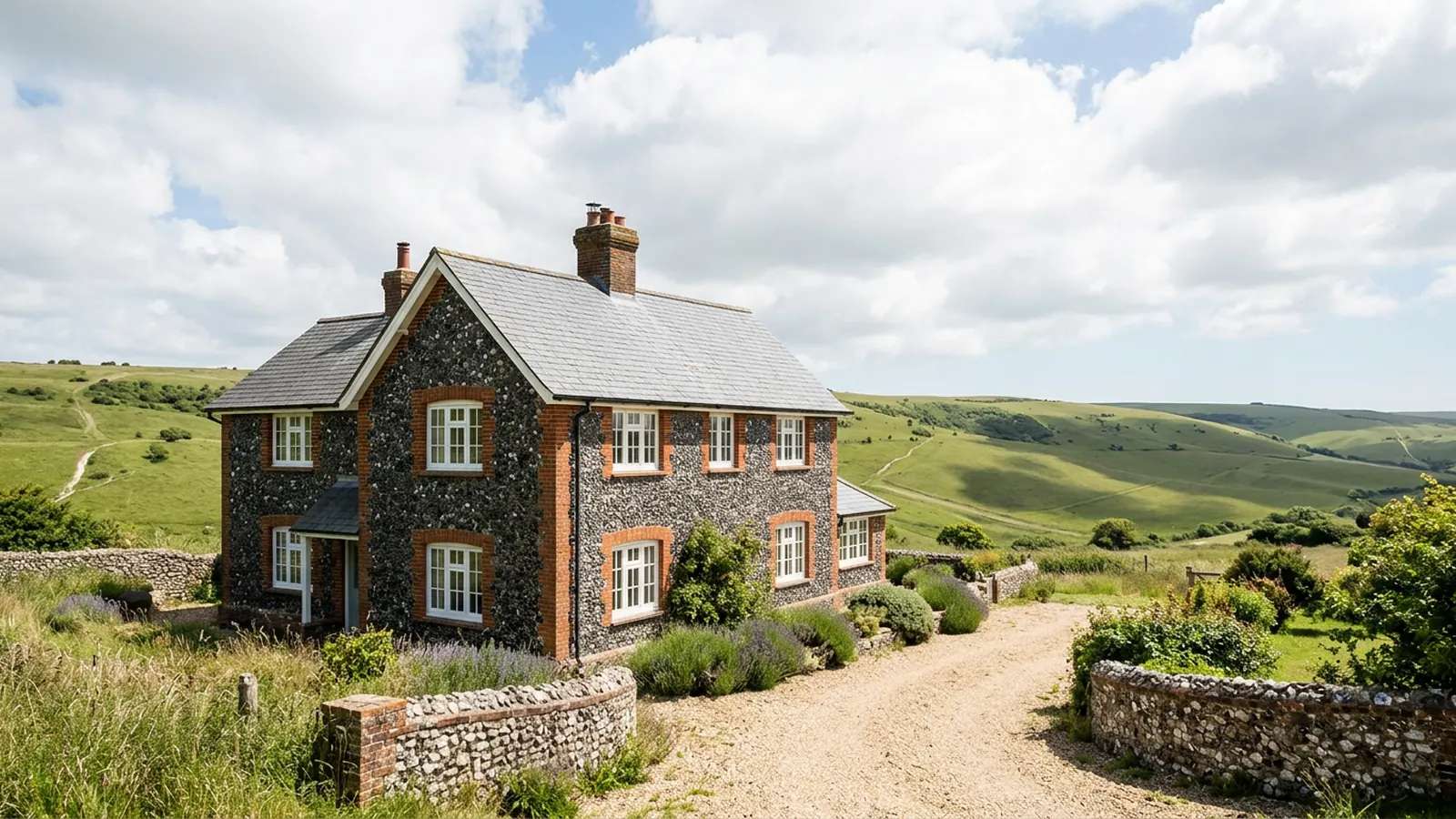
Rottingdean is a Saxon village, recorded in Domesday, with its oldest houses gathered around the green, the pond and St Margaret’s Church. The church was restored and enlarged in 1856 by George Gilbert Scott, and its windows were made by William Morris’s firm to designs by Edward Burne-Jones, who lived at North End House on the green.
Rudyard Kipling rented The Elms, facing the pond, from 1897 to 1902, and the Grange, now home to Rottingdean Heritage, stands nearby. Many houses here date from the seventeenth and eighteenth centuries, in flint, brick and render, with sashes on the better houses and casements on the cottages.
Planning at a glance
The village centre became a conservation area in 1970, and an Article 4 direction covers the parts outside the South Downs National Park.
Flats need permission for any change in the look of their windows, wherever they are.
What usually suits these houses
Sash windows
Timber sashes for the Georgian houses, with the right pane pattern.
Conservation area windows
Heritage detailing and help with consent for listed buildings.
Timber windows
Painted timber casements for the cottages, or a flush casement for later houses.
Every job is priced on its own: the figure depends on the sizes of your windows, how many there are and where they sit, the access, and the materials, colours and hardware you pick. A free home visit gives you the exact price for yours. Window prices in Brighton.
Conservation and permission
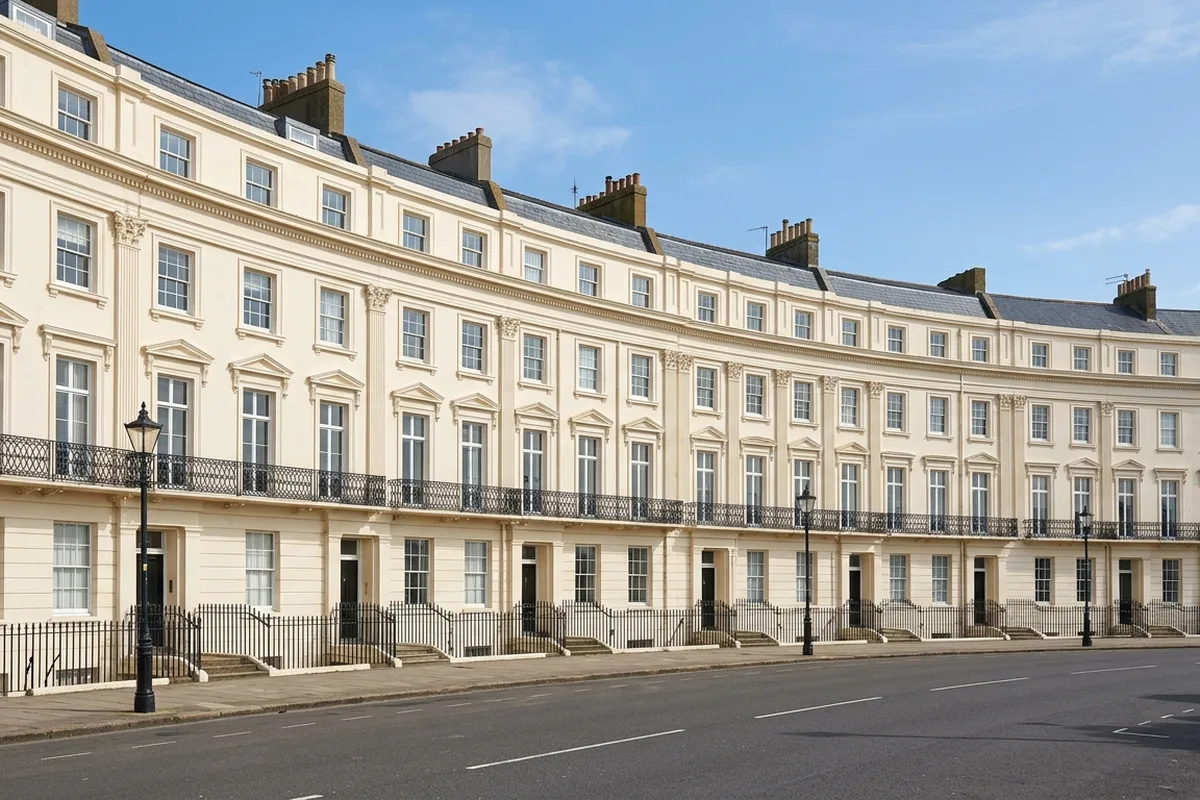
The village centre became a conservation area in 1970, and an Article 4 direction covers the parts outside the South Downs National Park. Rottingdean also has its own parish council, which comments on planning applications in the village and publishes guidance for residents.
Sea air is hard on windows here. Ask for stainless hardware and a coating suited to coastal exposure, and expect painted timber to need repainting more often than it would inland.