Flush casements that suit a period house
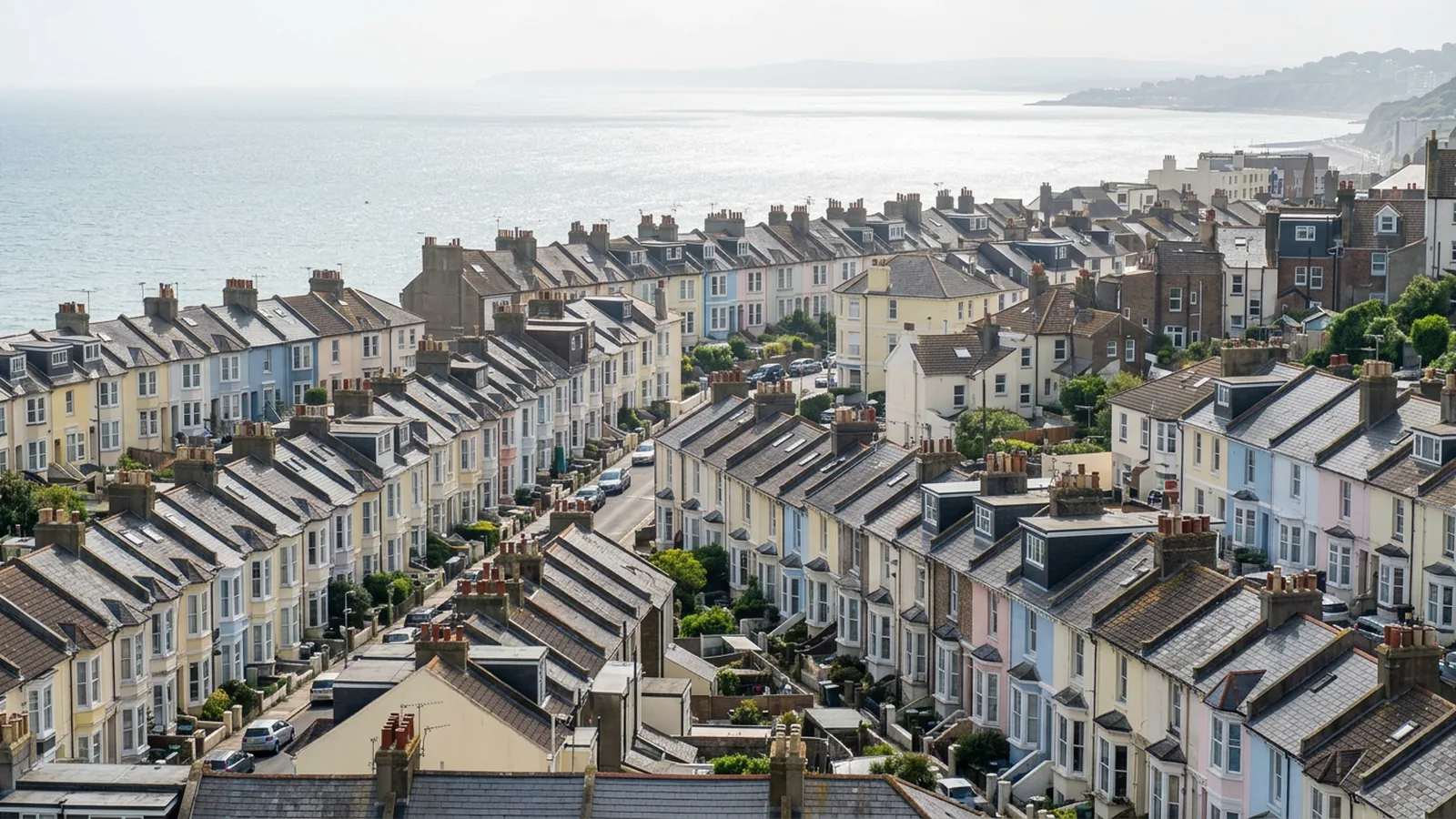
Brighton, Hove, Fiveways and Hove Park
The flat, traditional look of a timber casement, in heritage colours and without the repainting.
A casement that sits flat in its frame
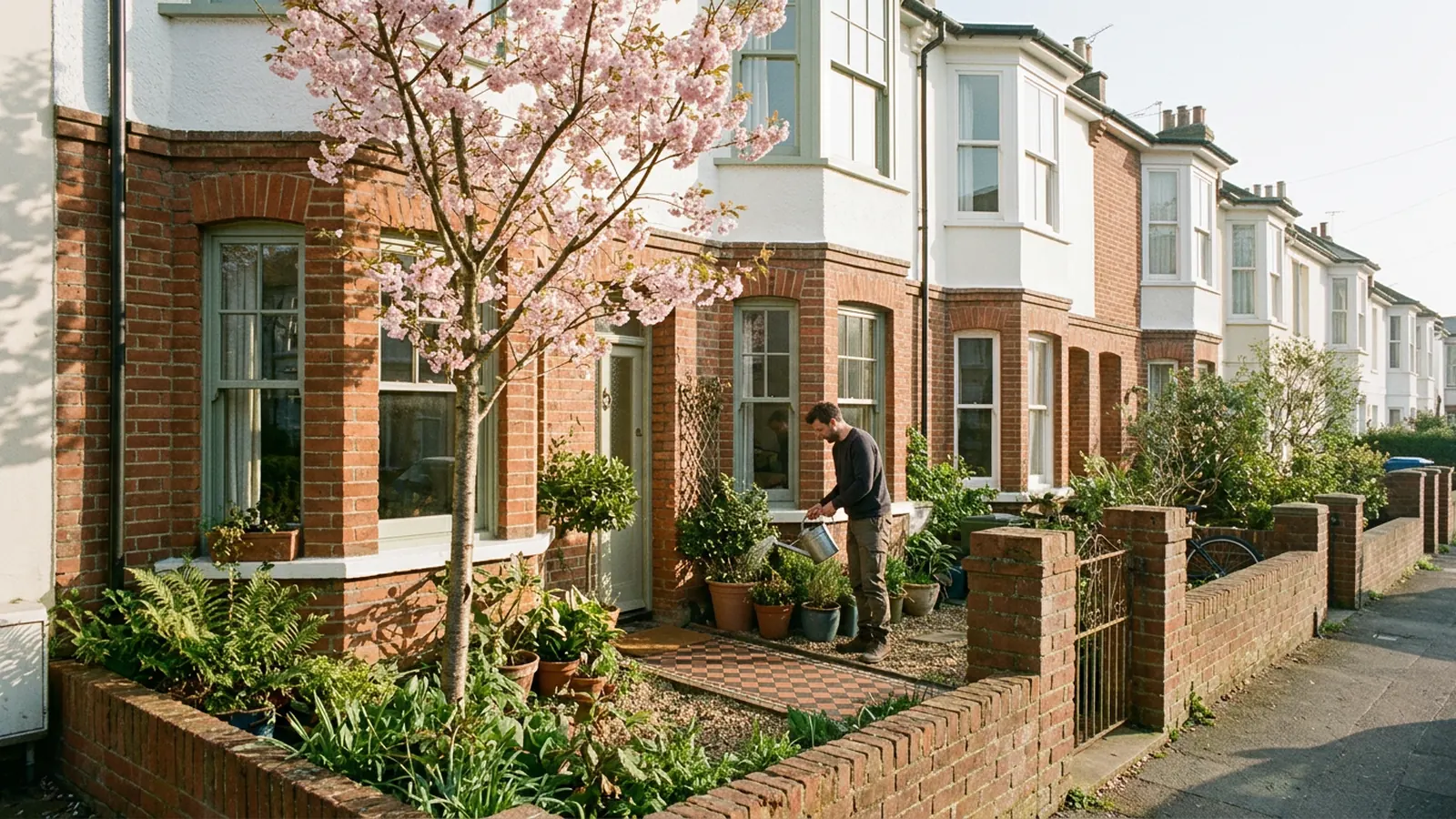
On an ordinary uPVC casement the opening part sits proud of the frame. On a flush casement it closes level with it, the way a traditional timber casement does. From the pavement it looks like the original window.
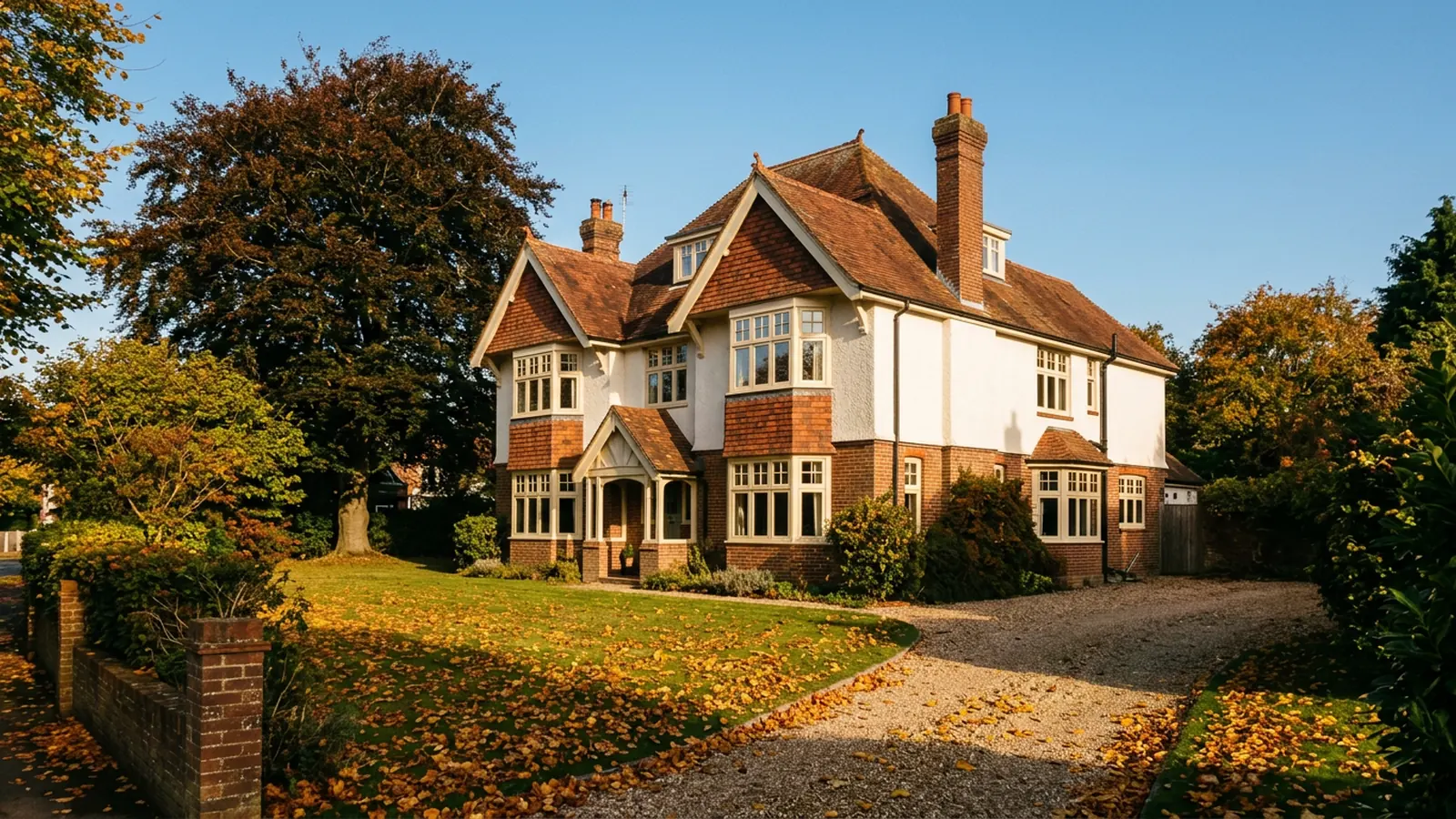
That matters on the Edwardian houses around Fiveways and in the Hove avenues, on interwar semis in Hove Park, and on the cottages of the downland villages, where a chunky stepped frame spoils the front of the house.
What you choose
Material
Timber-look uPVC in a woodgrain or smooth painted finish, or aluminium for slimmer lines. Real timber costs noticeably more than timber-look uPVC.
Colour
White, cream, the heritage greens and greys, or a woodgrain. Colours sit at the top of the price range.
Bars
Astragal bars stuck to the glass inside and out, matched to the original pattern of the house.
Hardware
Monkey-tail or pear-drop handles and peg stays, in black, chrome or brass.
Price and planning
Every job is priced on its own: the figure depends on the sizes of your windows, how many there are and where they sit, the access, and the materials, colours and hardware you pick. A free home visit gives you the exact price for yours.
Outside conservation areas, swapping old casements for flush casements of a similar look is normally permitted development on a house. On an Article 4 street or in a flat, check with the council first.