Interwar homes, made bright again
The streets around Hove Park and Woodland Drive
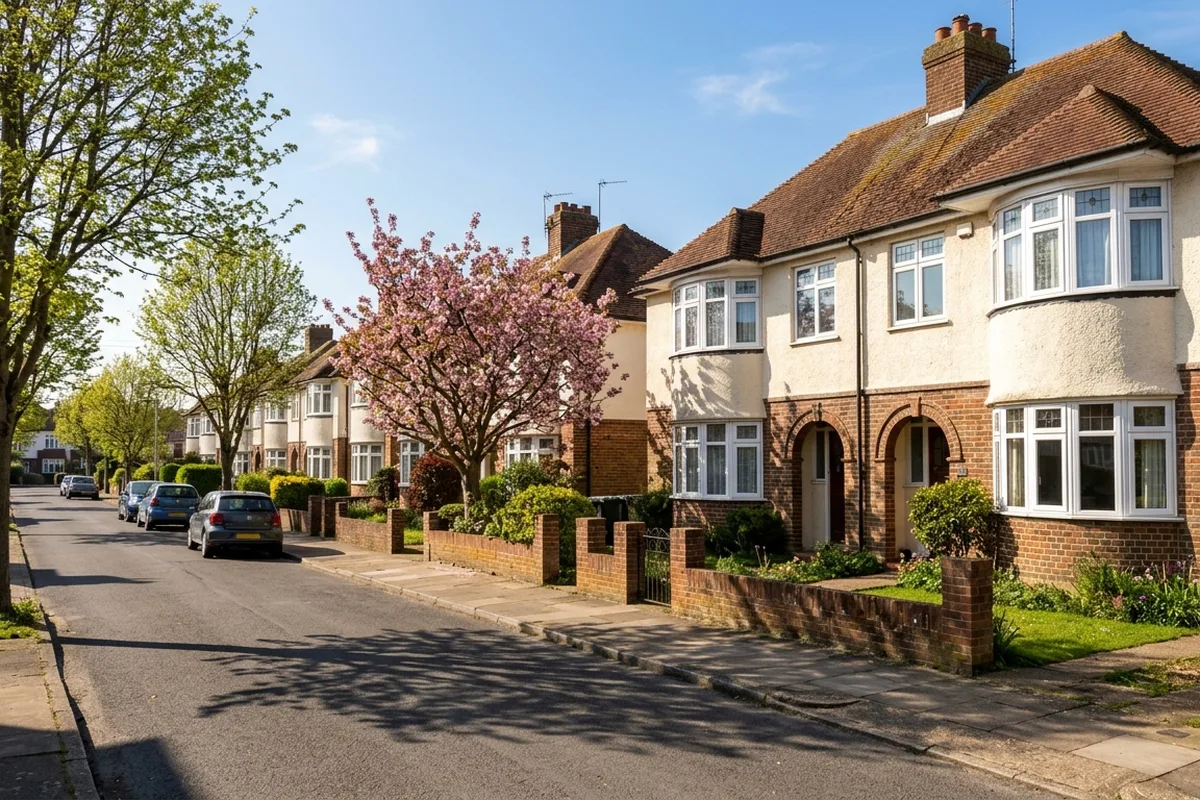
Detached and semi-detached houses of the 1920s and 1930s, with rounded and square bays and plenty of freedom over materials.
Homes in Hove Park
Most of the streets around Hove Park were built between the wars. Detached and semi-detached houses with rounded or square bays are the norm, and many still have a mix of original frames and replacements fitted at different times, which is why so many owners here replace the whole house at once.
Woodland Drive, on the north side, is a uniform 1930s estate by a single developer, with clay tiles, half-timbering and steep roofs. North-east of the park, the Tongdean conservation area begins, with larger Edwardian houses in big gardens.
Planning at a glance
Woodland Drive became a conservation area in 1996; the council’s list of Article 4 directions does not include it.
Flats need permission for any change in the look of their windows, wherever they are.
What usually suits these houses
Slimline aluminium windows
Slim aluminium casements, close to the metal windows many of these houses first had.
Flush casement windows
Flush casements for a softer, traditional look.
Bay windows
Rounded bays made to the curve, or square bays replaced whole.
Every job is priced on its own: the figure depends on the sizes of your windows, how many there are and where they sit, the access, and the materials, colours and hardware you pick. A free home visit gives you the exact price for yours. Window prices in Brighton.
Conservation and permission
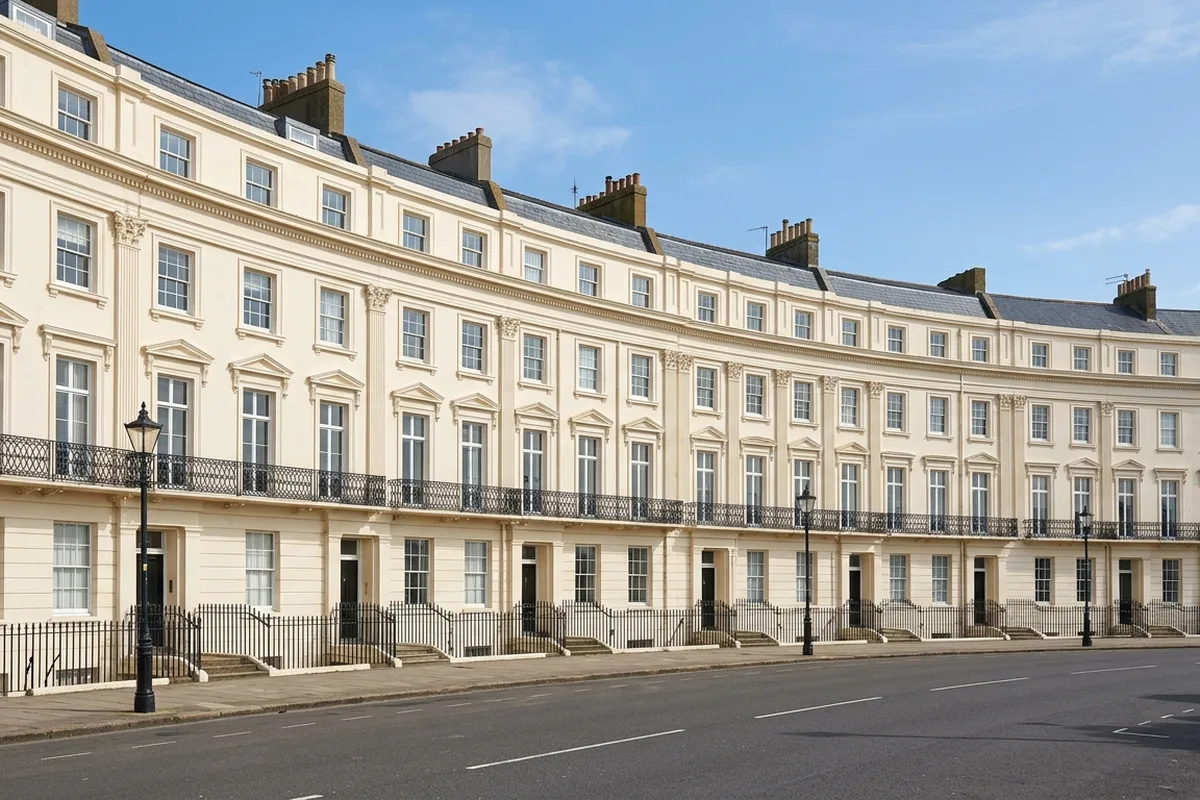
Woodland Drive became a conservation area in 1996; the council’s list of Article 4 directions does not include it. Most of the interwar streets around the park are outside conservation areas altogether, so replacement windows of similar appearance on a house usually need no planning application.
Flats are the exception: changing their windows’ appearance usually needs permission and the freeholder’s consent.